

Make Your Home Work for Every Stage of Life
Homes throughout Western Massachusetts often have character — and challenges. We’ve walked into Florence farmhouses where a bathroom door barely clears the bed, and older Northampton capes where stairs become a daily obstacle. These houses are well loved, but many weren’t designed with long-term living in mind.
Aging-in-place remodeling and universal design address those challenges in practical ways. The focus isn’t on making a home feel clinical. It’s about updates that make everyday life easier: a no-threshold shower, a first-floor bedroom, better lighting in a hallway. Straightforward changes that allow you to stay in the house you already know, without the layout getting in the way.
Our Amherst-based team includes Certified Aging-in-Place Specialists (CAPS) and has spent decades adapting Pioneer Valley homes to better fit the people who live in them. Each project begins with a walkthrough and a conversation about routines, priorities, and how the space needs to work — now and over time.
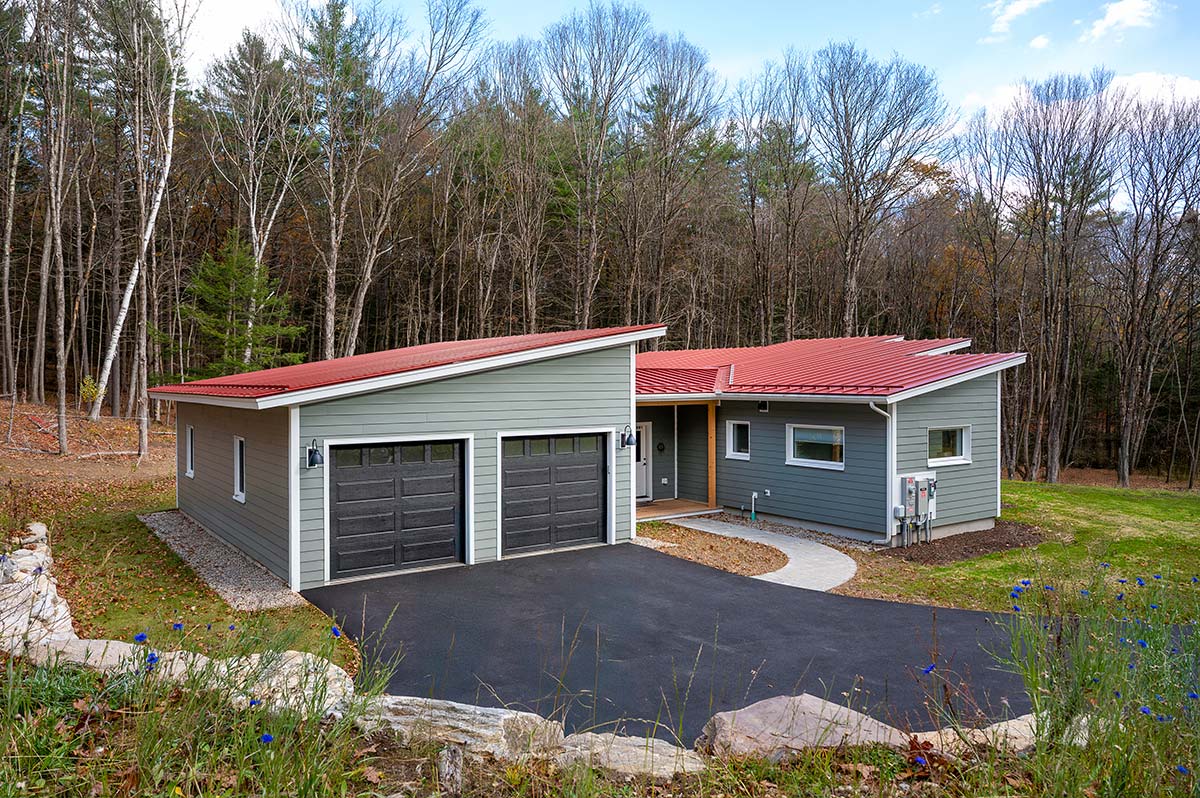
Certified Aging-in-Place Specialists in Western Massachusetts
For more than 30 years, we’ve worked in homes throughout Western Massachusetts and the Pioneer Valley. Many houses in the region were built long before accessibility or long-term mobility were part of the conversation. Narrow hallways, tight doorways, and small changes in floor height are common—and they tend to become more noticeable over time.
Our CAPS-certified team focuses on practical design adjustments that make these homes safer and easier to live in. The goal is to help homeowners stay comfortable and confident in the spaces they already know, without unnecessary disruption or overbuilding.
Why Aging in Place Matters
Most homeowners want to remain in the homes and neighborhoods they’re familiar with. Moving often feels like a last resort, especially when the house itself is the main challenge. In Western Massachusetts, that challenge usually isn’t one big issue—it’s a series of small, daily obstacles that add up over time.
Second-floor bedrooms and bathrooms can become limiting as mobility changes. Narrow hallways and doorways make everyday movement harder than it needs to be. Even a single step at an entryway, something that barely registers at first, can turn into a consistent tripping hazard. Aging-in-place remodeling addresses these issues directly by reshaping the home to better support daily life, rather than forcing homeowners to adapt around the layout.
The Principles of Universal Design
Universal design is about creating spaces that work well for people of all ages and abilities. The best solutions don’t call attention to themselves. Instead, they blend into the home so naturally that most visitors never realize the space has been adapted.
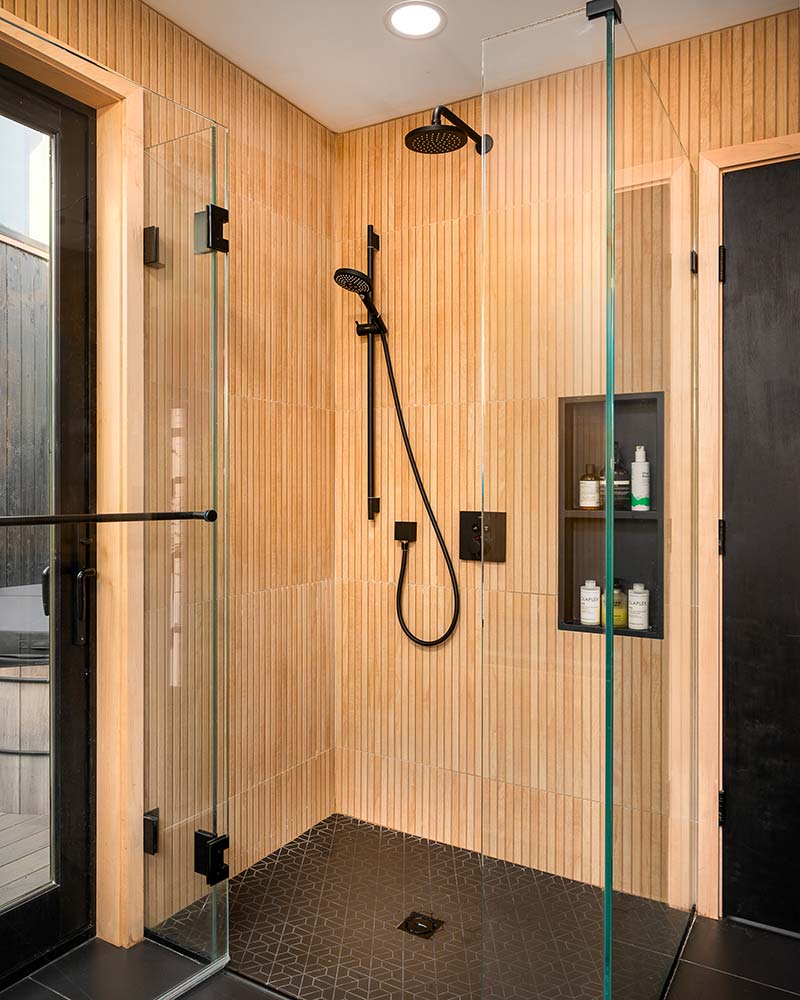
A no-threshold shower, for example, improves safety and ease of use without changing how the bathroom feels. Lever-style handles are easier on hands and wrists but look right at home in both traditional and modern spaces. Wider circulation paths and improved lighting reduce strain and increase comfort, particularly in older homes with darker interiors. These adjustments make a house safer now and help ensure it remains usable well into the future.
How We Approach Aging-in-Place Remodeling
Every project begins with a walkthrough of the home and a conversation about daily routines, goals, and personal preferences. We pay close attention to how spaces are actually used—where movement feels tight, where lighting falls short, and where future challenges might arise. We also listen carefully to what our clients want their home to feel like and how they hope it will support them over time.
From there, our CAPS-certified team develops a plan that not only addresses those needs and desires but also offers thoughtful, experience-based suggestions uncovered during the walkthrough. All recommendations respect the home’s original character. This may involve reworking a bathroom to improve access, adjusting circulation so rooms flow more easily, or making targeted enhancements that improve comfort, safety, and usability without altering the overall feel of the house. The focus is always on practical, long-term solutions that support the way you live—today and in the years ahead.
Design That Feels Natural
Effective aging-in-place design should not resemble a medical renovation. Instead, it offers a home that is simply more functional and efficient.
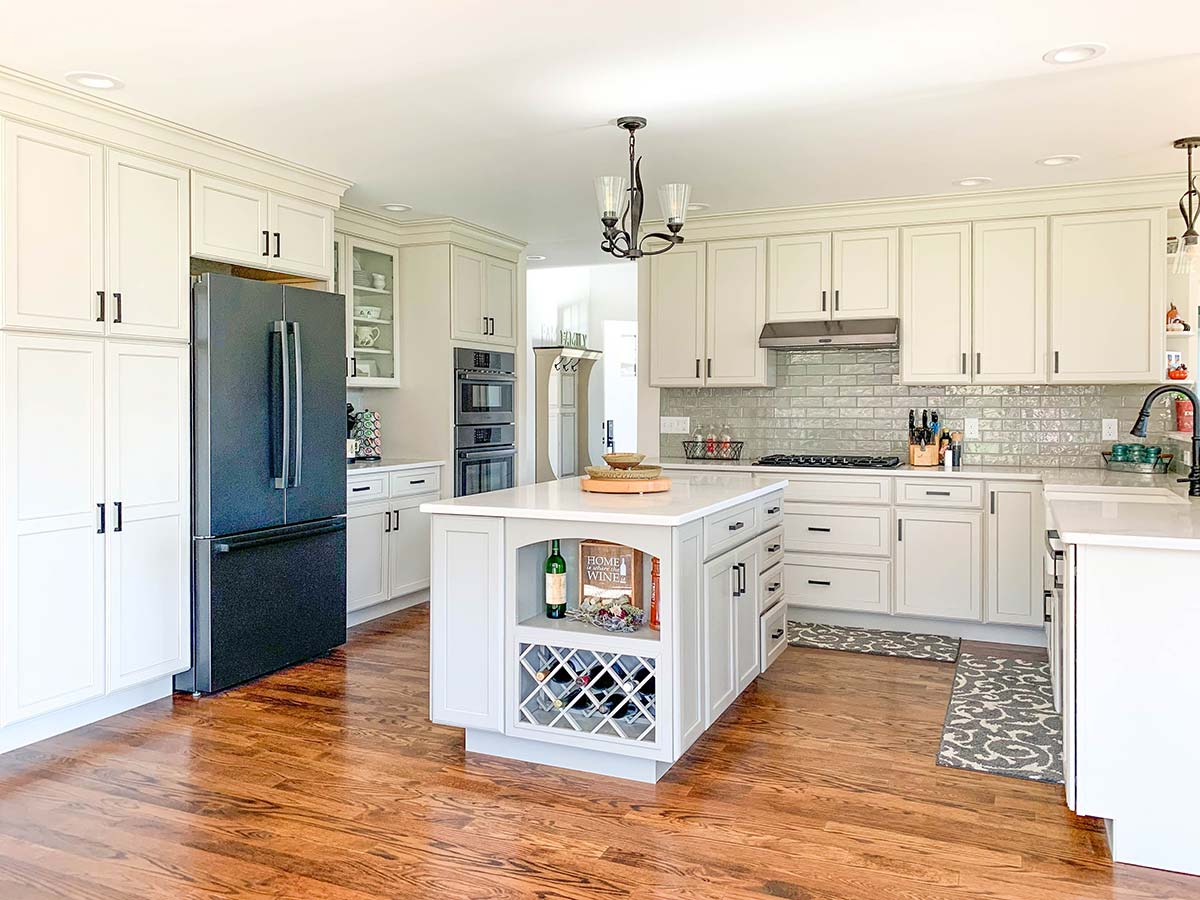
In the Pioneer Valley, we’ve widened doorways in Amherst farmhouses replicating the original trim. We’ve opened up small Florence kitchens to add light and maneuvering space, while the room still looks like it belongs to the house.
These changes are subtle to visitors but life-changing for the people who live there.
Common Aging-in-Place Upgrades
We focus on planned renovations that make daily life easier and safer. These are the updates that matter most in Western Mass homes:
- First-floor primary suites or guest suites
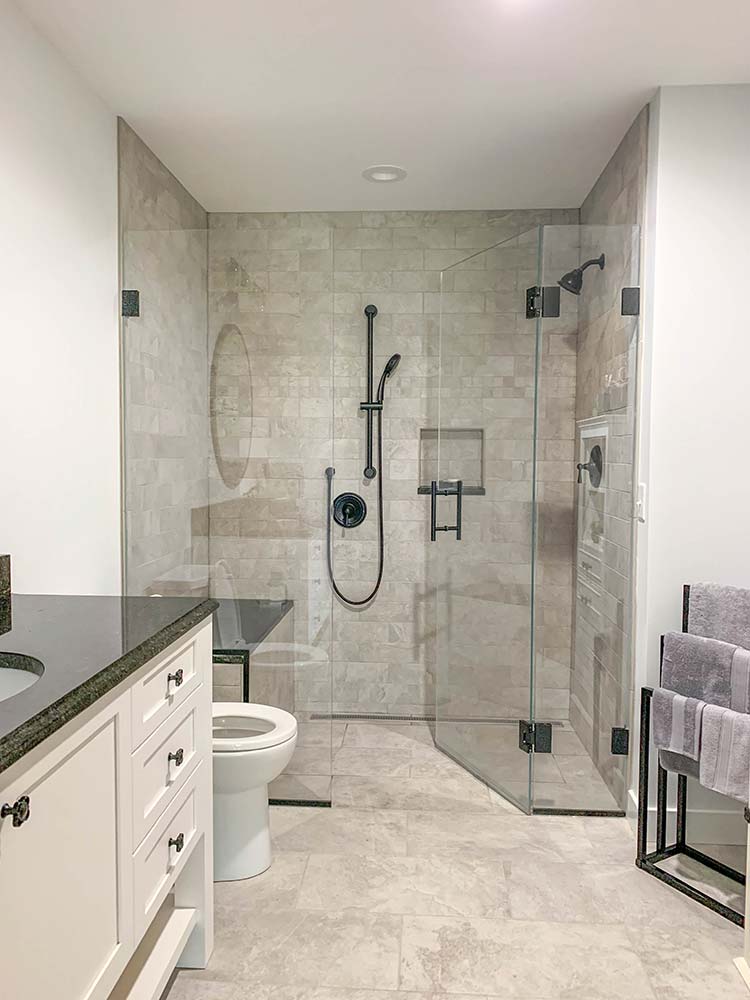
- No-threshold showers and adequate space around toilets
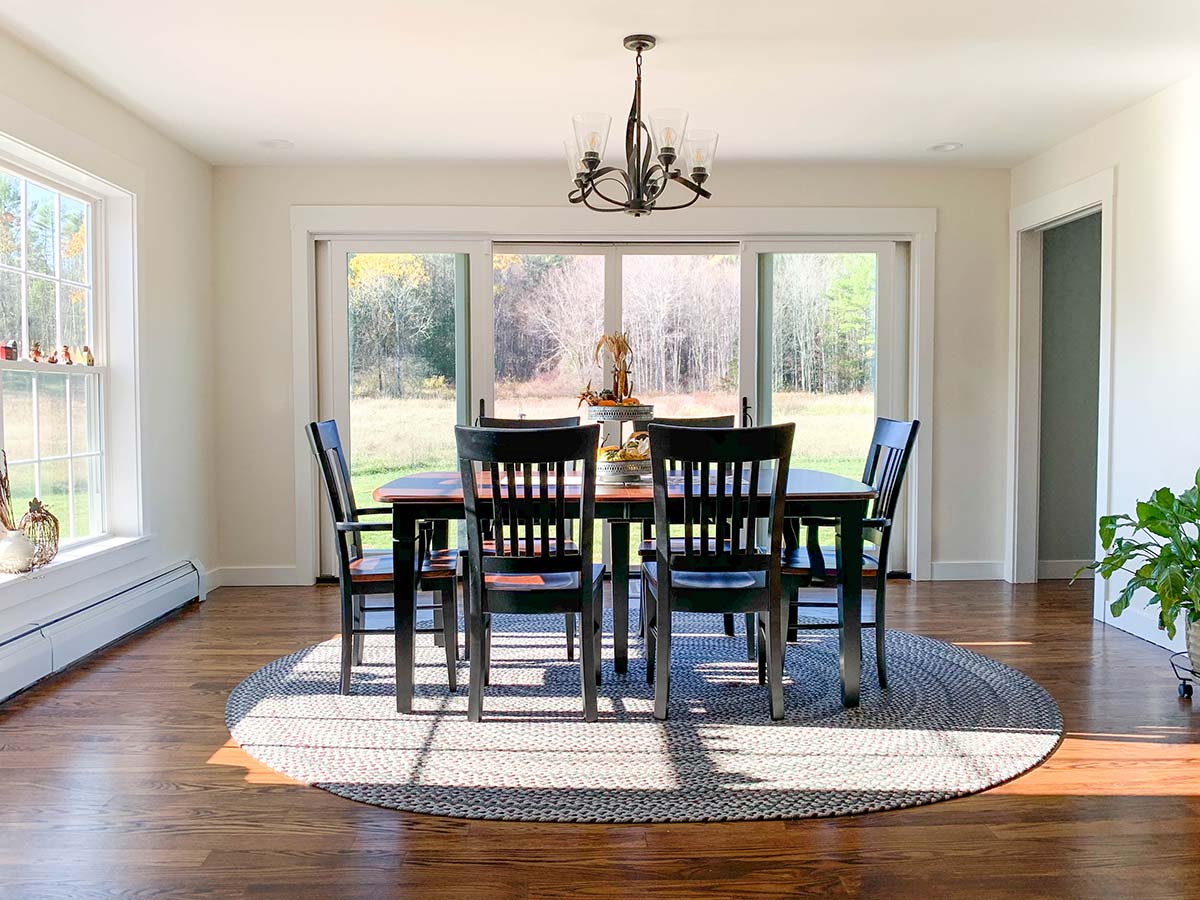
- Wider hallways and doorways
- Non-slip flooring and improved lighting
- Lever handles and easy-reach storage
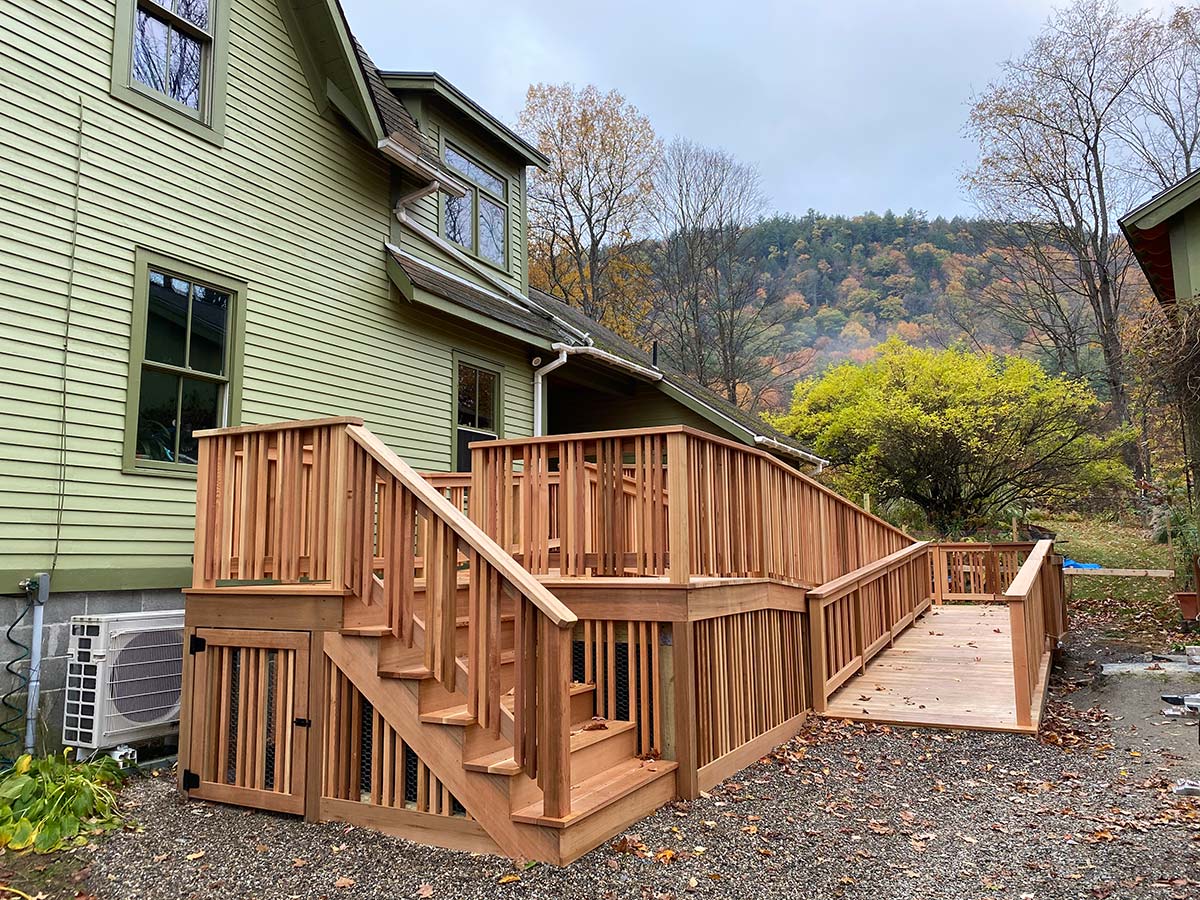
- Gentle-entry solutions for steps and porches
If you’re ready to rework the space you live in every day, that’s where we can help.
Planning for Life Changes
The best time to make a home more accessible is before it becomes urgent. In Northampton, one couple wanted to be ready in case stairs became a challenge. Another family in Sunderland hoped to welcome an aging parent without having to move walls in a hurry.
Sometimes the fix is small but thoughtful—a first-floor bedroom, a hallway that doesn’t pinch your shoulders, a bathroom that finally works without worry. These changes let you stay in the house you love, and they make life simpler long before it feels necessary.
Living Through the Remodel
Renovations like these don’t have to push you out of your home. We plan the work so the spaces you need most can still be used.
In Amherst and Florence, we’ve set up temporary kitchen spaces and staged bath remodels in phases, so families could keep daily life running. We block off dust, clean up every day, and keep you in the loop. It’s not just about building—it’s about making the weeks of construction livable.
Build for Comfort and Safety
A few smart changes can make an older home easier to navigate without taking away its character. From no-threshold showers to better lighting, we focus on updates that keep your home livable for the long run.
Plan for Comfort, Safety, and the Years Ahead
Planning ahead can make a real difference in how long a home continues to work for you. Whether you’re thinking about future mobility, improving access, or making thoughtful updates that support daily life, our team can help you make practical decisions with confidence.