Buildings and interiors that serve the public every day.
Municipal and civic spaces work hard. They need to function reliably for staff and the public, day after day. Many of these buildings are older. Layouts and systems often no longer match current needs.
Budgets and schedules are shaped by public process. Boards and committees are part of the work.
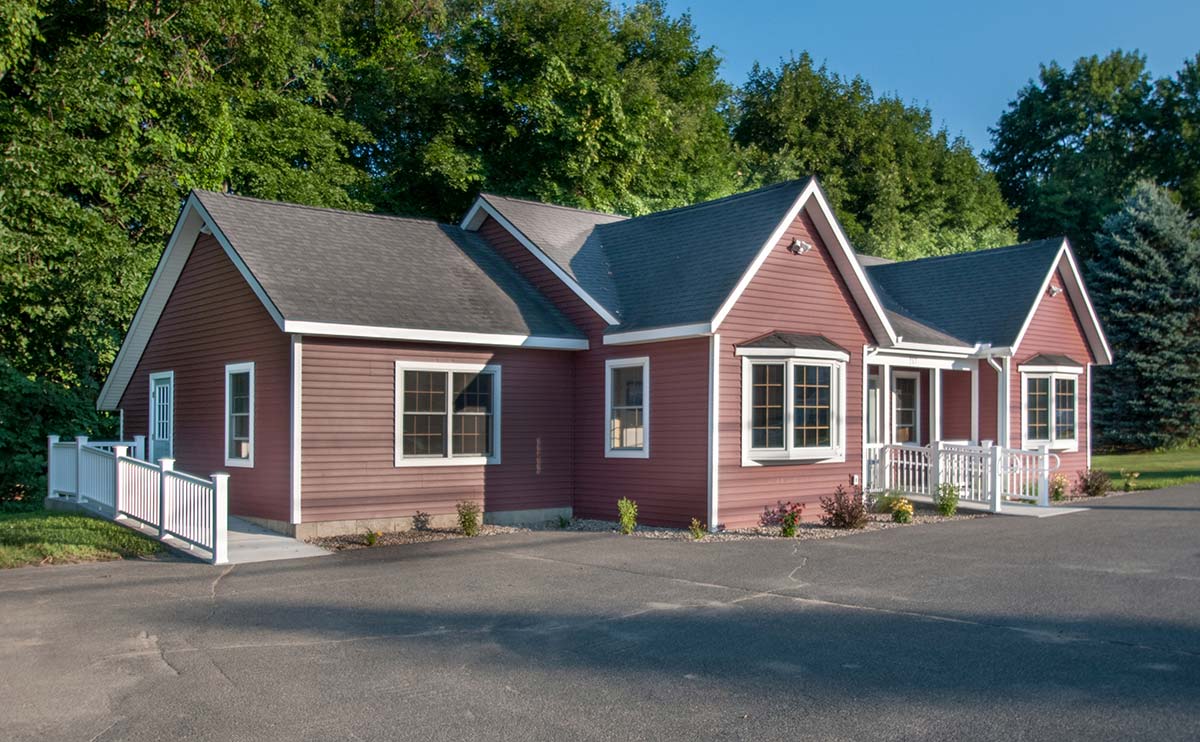
Integrity Development & Construction works on right-sized civic and civic-adjacent projects across the Pioneer Valley. Our experience with schools, nonprofit housing, college work, and community facilities informs how we approach municipal interiors and modest facilities. The focus is practical design-build work that respects local context, daily use, and long-term stewardship.
Civic Work in Real Towns and Communities
Municipal and civic projects in Western Massachusetts rarely happen in a vacuum. They sit on existing streets, near homes and businesses, and inside buildings that people already use. Decisions involve town staff, committees, and sometimes voters.
Integrity brings experience from classroom buildings, affordable housing, and campus projects to this work. We use a design-build approach so scope, budget, and schedule can be discussed with one team and then carried through to construction without unnecessary hand‑offs.
What We Mean by Municipal & Civic Projects
On this page, “municipal and civic” refers to projects that serve towns, public agencies, and community-facing organizations. These include:
- Town and municipal offices or shared service spaces
- Meeting rooms and community rooms in public or quasi‑public buildings
- Smaller civic interiors within libraries, program spaces, or public facilities
- Civic‑adjacent work with strong public missions, such as nonprofit housing and school or college facilities that serve the community
We focus on small to mid‑scale work where clear communication, careful phasing, and long‑term practicality matter as much as finishes. The aim is not to take on every large public safety complex in the state, but to serve local municipal and civic needs in a grounded way.
Community-Focused Projects That Inform Our Approach
Integrity’s work with institutional and community partners shapes how we approach municipal and civic projects. Examples include:
- Classroom and program buildings for Hartsbrook School in Hadley, where a new classroom building was brought online in two phases to match the school’s needs and resources.
- Affordable housing in Holyoke developed with The Community Builders, combining new units and renovations to existing community housing.
- Commercial and institutional work for Amherst College, where campus operations, academic calendars, and existing buildings define how projects move forward.
These projects share the same basic challenge as municipal work: balancing program needs, budgets, schedules, and long‑term stewardship in buildings that serve more than a single private owner.
Working With Towns, Boards, and Committees
Municipal and civic decisions often move through building committees, select boards, or other public bodies. Each has a role in setting priorities and reviewing plans.
We present information in a way that supports those conversations. Early design and budget discussions stay connected. Options are explained in plain terms, including what a change does to cost, schedule, and day-to-day function.
As the project moves forward, the same team stays involved. Earlier discussions carry through to what happens on site.
Spaces That Have to Work for Staff and the Public
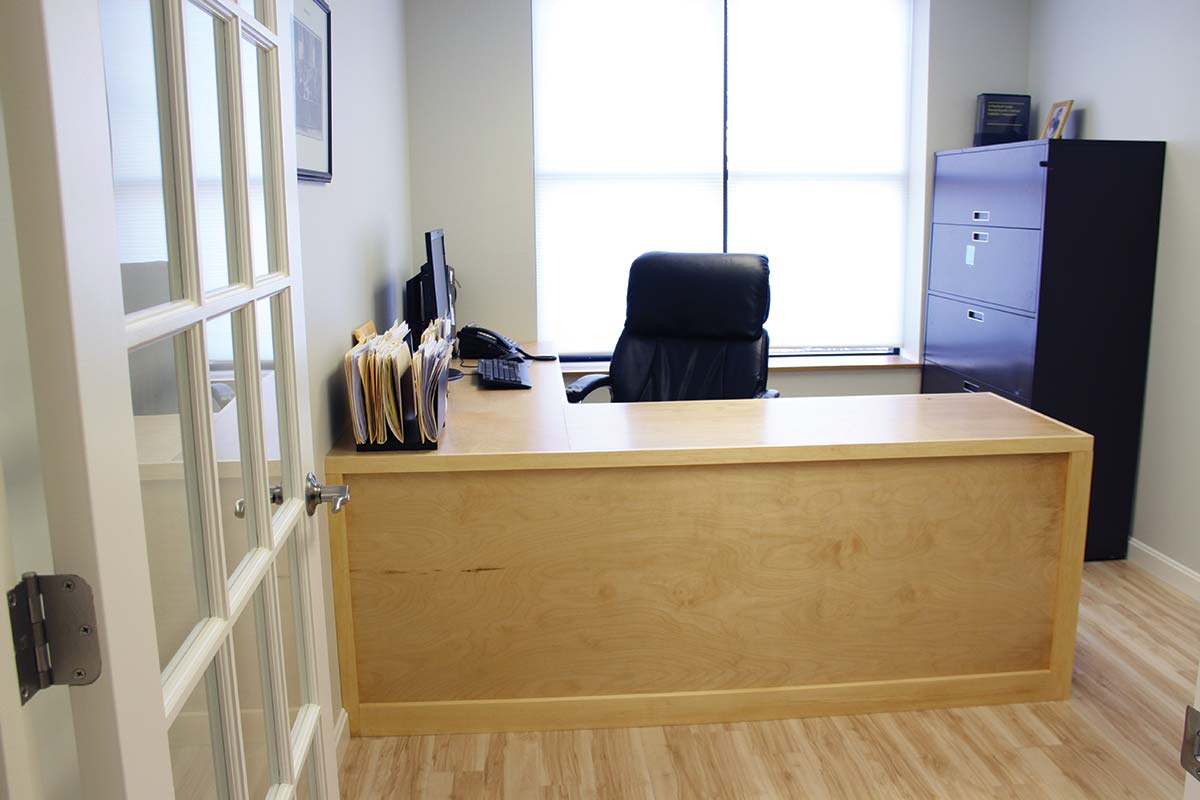
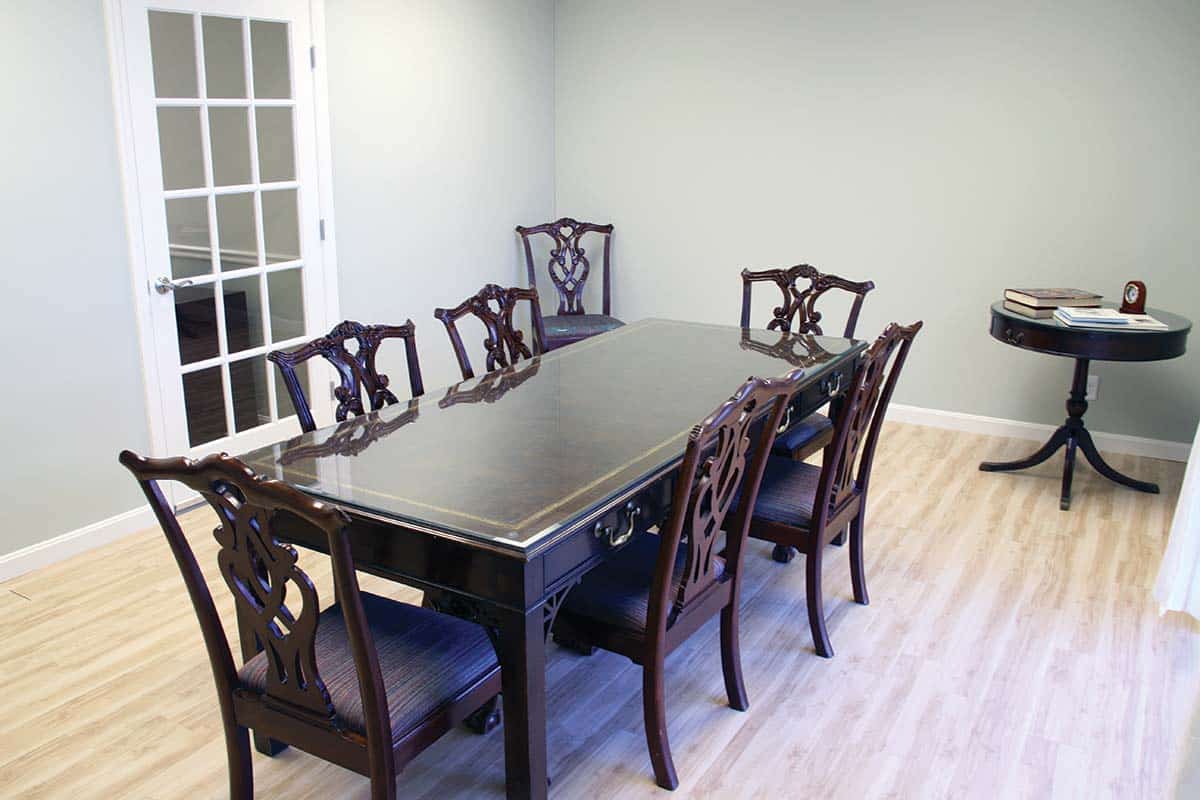
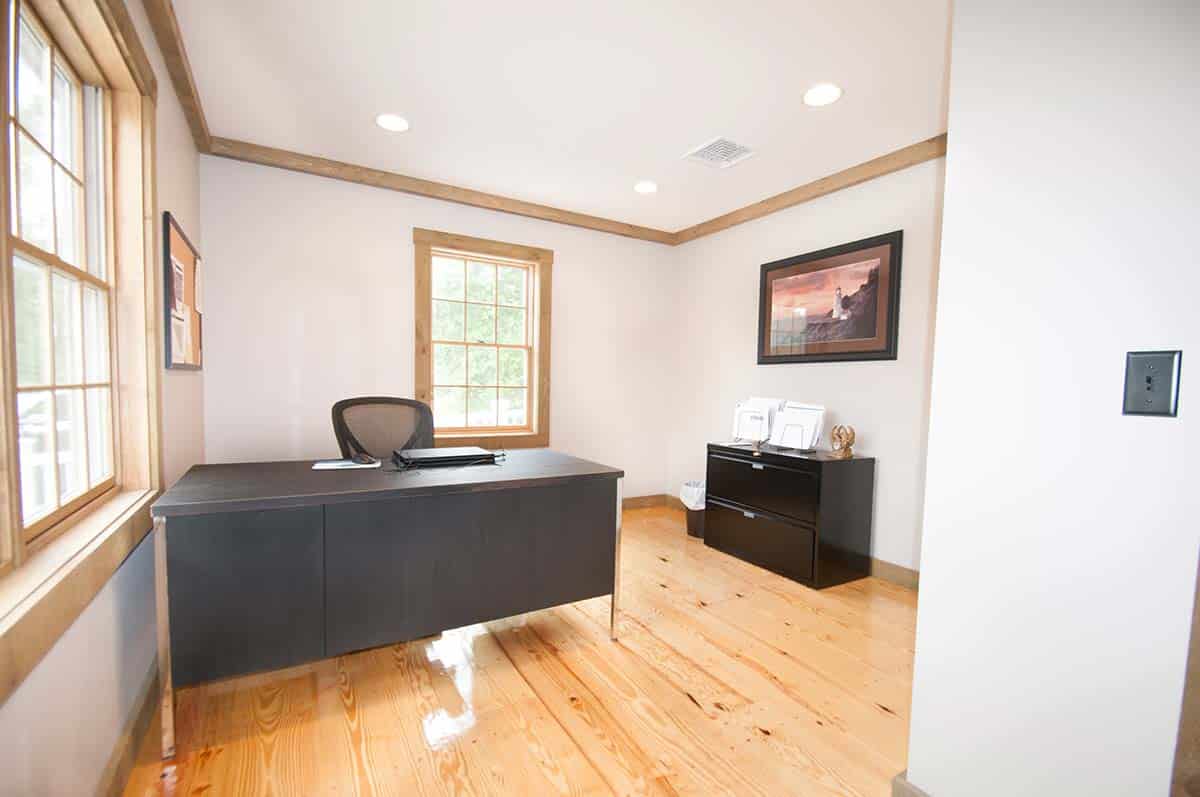
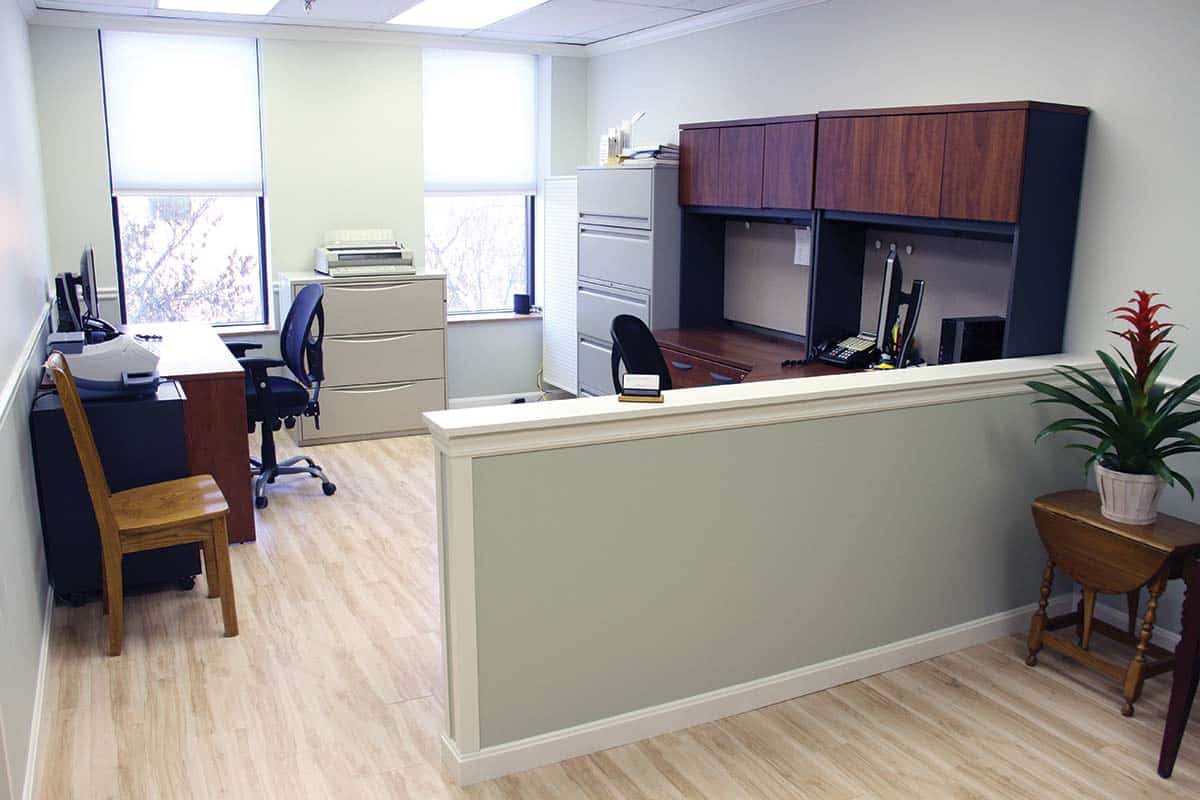
Civic spaces often serve more than one purpose. A room may be staff workspace during the day and meeting space at night. Lobbies often carry a lot of traffic in a small area.
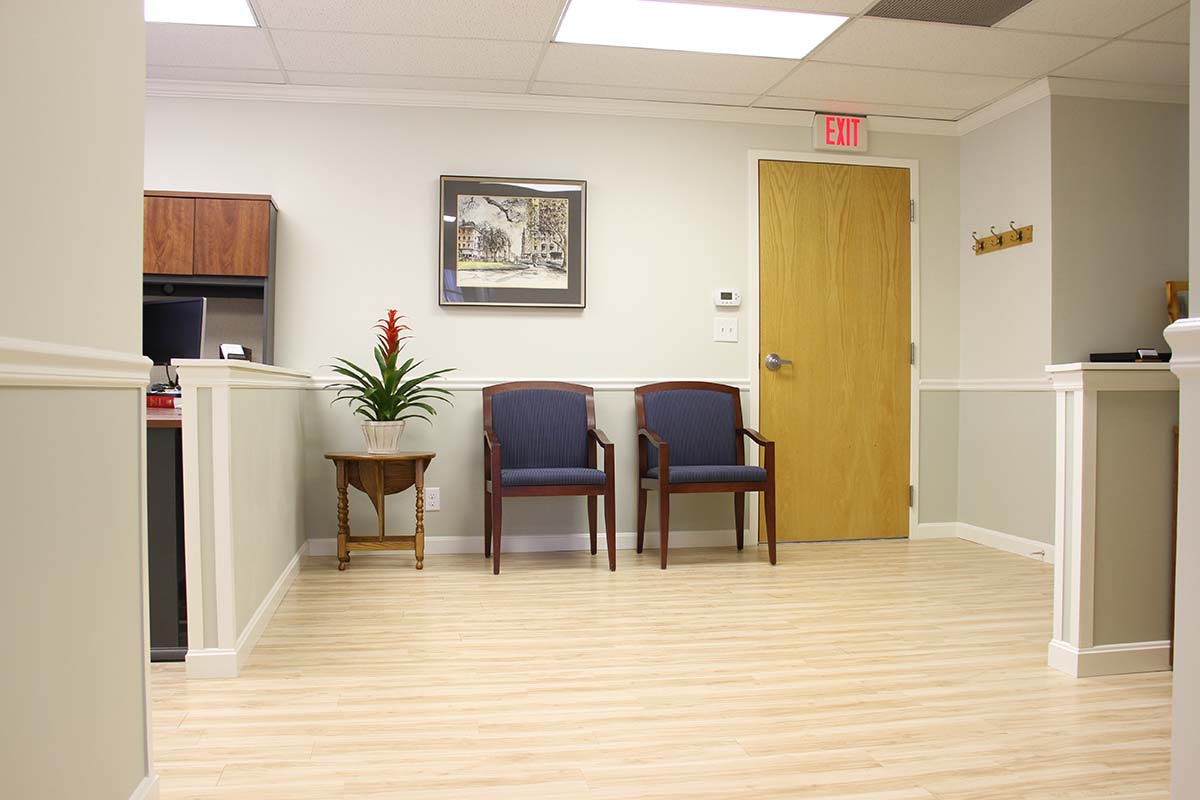
When we design and build civic interiors, we focus on how people move through the space. Entries and waiting areas need to be clear. Staff circulation matters too, especially where public areas connect to back-of-house functions.
The goal is a workable layout that supports daily use without feeling overbuilt.
Phasing Work in Active Civic Buildings
Many civic projects happen in buildings that cannot simply shut down. Staff need to work. The public still arrives for services or meetings.
We map out phases that reflect this reality. Work may be grouped by wing, floor, or function. Noisy or disruptive tasks are scheduled for off‑hours or less busy times when possible. Clear boundaries and routes are established so people know where they can go without wandering into a construction zone.
Safety, Access, and Wayfinding During Construction
Work in public-facing buildings needs clear routes and clear boundaries. Entrances and exits must stay usable. Emergency egress has to remain obvious.
We coordinate with town staff or facility managers on temporary routes, signage, and barriers. Updates are shared ahead of time so staff and visitors know what is changing and when.
Construction is disruptive by nature. Good planning keeps it contained and keeps the building functioning.
Budget and Accountability to the Public
Municipal and civic projects involve public funds or mission‑driven budgets. Transparency around cost and scope is essential.
We build budgets that connect directly to defined phases and scopes, then keep them in view as design decisions evolve. When changes are requested or required, we explain the impacts before they are approved. This approach helps boards and staff answer questions from residents, leadership, or funders with clear, current information.
Planning Around Public Schedules and Responsibilities
Municipal and civic projects must respect public calendars and responsibilities. Offices often remain open. Programs continue. Residents still need services.
We plan phasing, access, and communication with that in mind, so construction supports public work instead of undermining it.
Considering a Municipal or Civic Project?
If your town, department, or community-focused organization is thinking about updating a public-facing space or planning a modest facility project, an early conversation can clarify what is realistic. A walk‑through or review of your needs is often enough to outline possible paths.
Whether the work involves office areas, meeting rooms, shared community spaces, or civic‑adjacent facilities, Integrity’s design-build team can help you understand scope, phasing, and the steps between idea and completion.