
Comfort, Savings, and Smarter Building for the Long Term
Cold air sneaks under the side door. The upstairs floor feels icy, even with the heat running. In older homes around the Valley, winter finds every draft.
Our energy‑efficient projects focus on the changes you notice right away. The house feels warm in January instead of drafty. In July, upstairs bedrooms stay cooler, even when the sun bakes the roof. Rooms are quieter, and you stop watching heat slip out around old windows and doors.
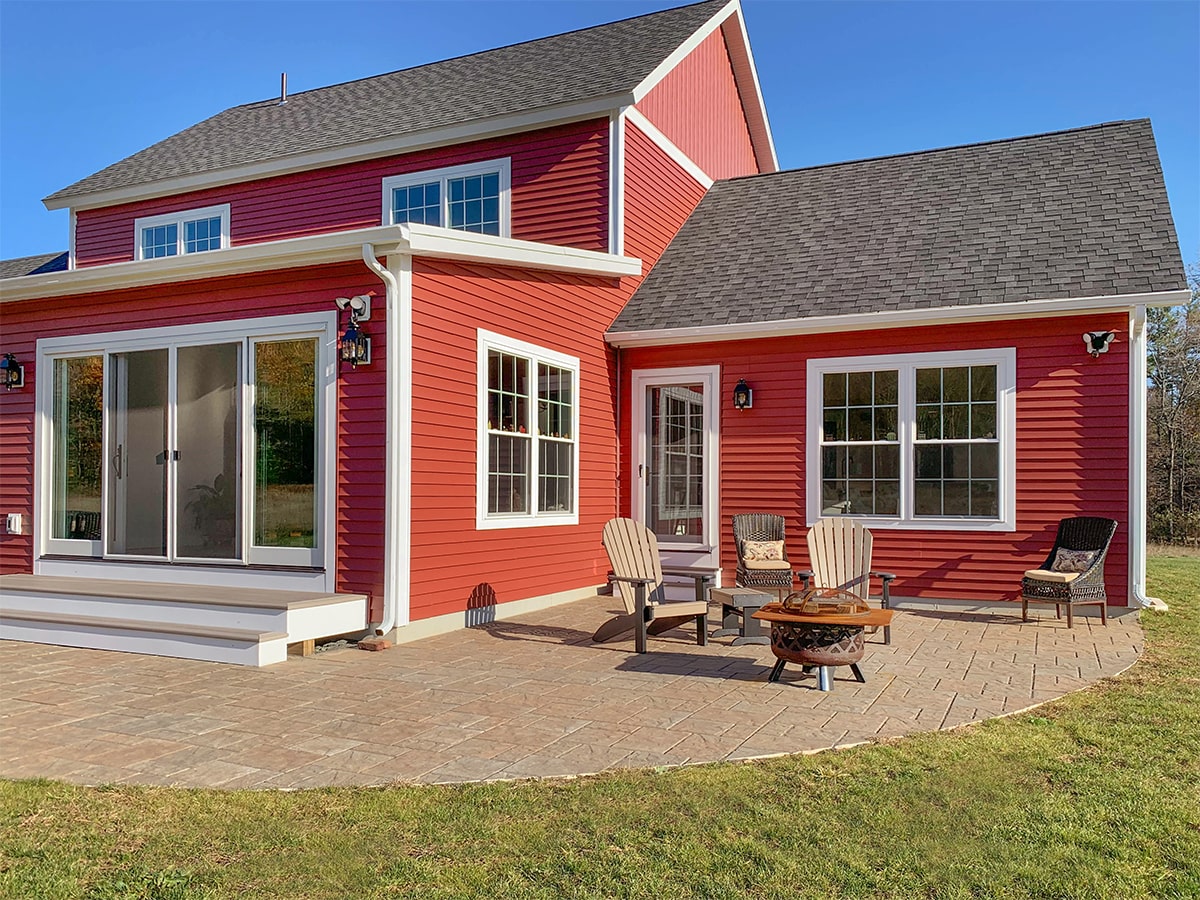
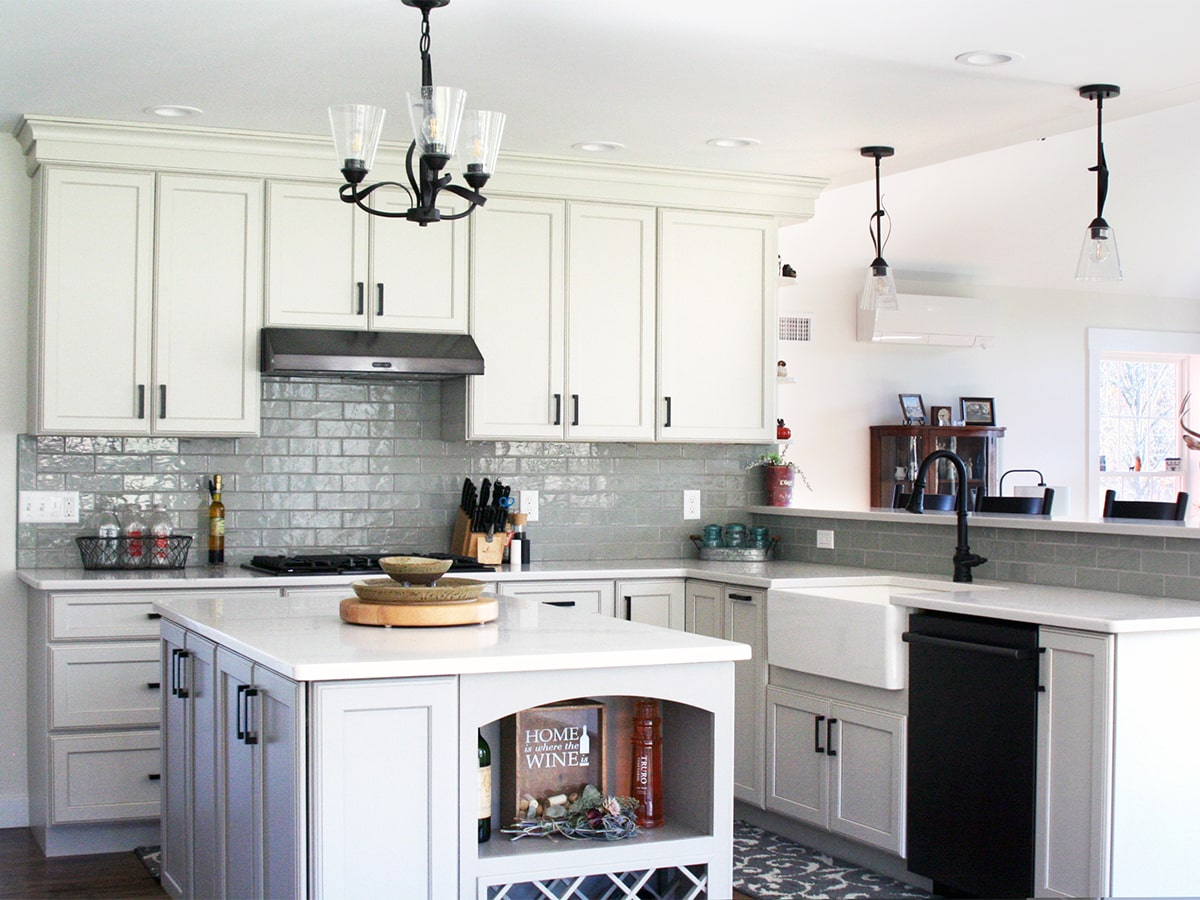
High-Performance Homes, Built for the Pioneer Valley
We’ve been improving homes in Amherst, South Hadley, Williamsburg, and Belchertown for more than 30 years. Western Mass houses have their quirks—drafty corners, rattling old windows, or that one room that never seems to warm up.
Our focus is on practical upgrades that homeowners feel immediately. A quieter house. Fewer drafts. Heat that actually stays inside. The energy savings show up later, but the comfort shows up first.
Why Energy Efficiency Matters
Every winter, Pioneer Valley homes lose heat through gaps you can’t always see—attics with bare wood, old basement windows, siding that leaks air like a sieve. Heating costs climb, and the house still feels cold in January.
Improving energy efficiency starts with making the home feel solid and comfortable. Rooms hold warmth, drafts disappear, and the heating system doesn’t have to work so hard.
Smart Building for New Homes
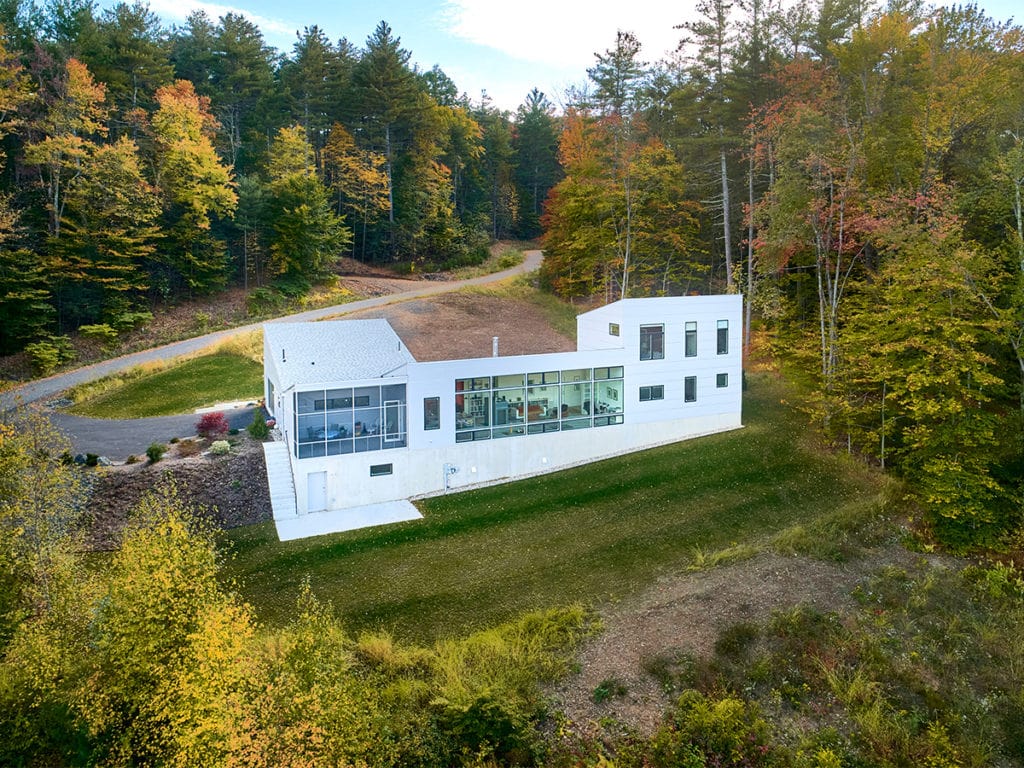
When we’re involved in a new build, we think about performance from the ground up. That includes tight framing, proper insulation, smart window placement, and durable siding that handles New England weather.
We can also incorporate sustainable choices like long-life materials, solar readiness, or all-electric systems—without overcomplicating the project. That way, your home is built for today and tomorrow.
Upgrades That Transform Older Homes
We’ve opened up walls in Florence capes and Sunderland colonials and found insulation so old it was basically dust. Even minor fixes—sealing up gaps, swapping in better windows, adding real insulation—can make a place feel totally different. Warmer in January. Less stuffy in August. One client told us their back bedroom finally stopped sounding like a wind tunnel. Another said they hadn’t realized how loud their boiler used to be—until they didn’t hear it anymore.What We Focus On
We’re not chasing gold stars or certifications—we’re chasing comfort that sticks around.
The materials we choose and the way we build helps homes stand up to Western Mass weather without bleeding energy.
Some of the upgrades we return to again and again:
- Sealing air leaks where heat used to pour out
- Insulating the parts of the house that get overlooked
- Replacing old windows with ones that actually shut tight
- Building in ventilation that keeps the air clean without dumping warmth outside
- Using siding and barriers that stop the wind before it gets inside
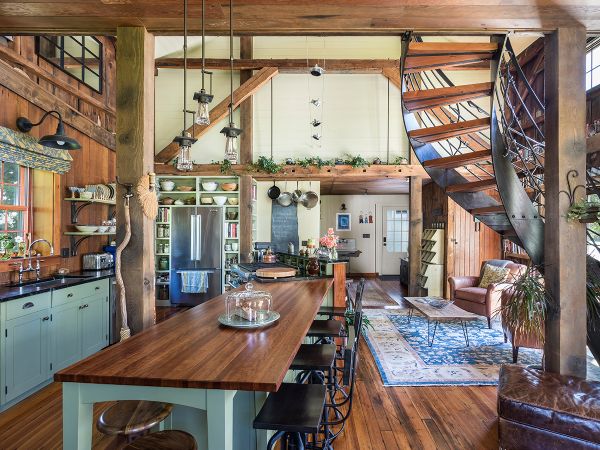
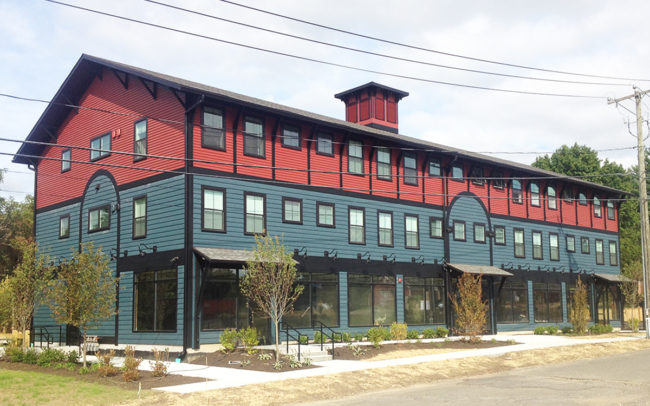
Old Homes, New Life
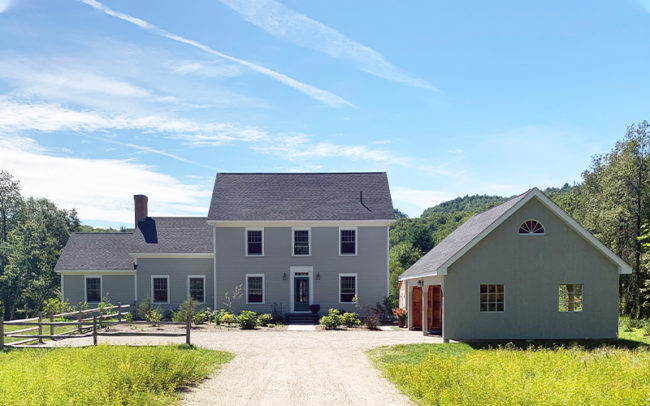
You don’t need a new build to get the benefits of energy-smart design. We’ve worked on 1920s foursquares and post-war ranches that now feel airtight and quiet—without losing the original charm.
Sometimes it’s a matter of adding insulation behind plaster and lathe. Other times, we’re re-siding a whole house with proper weather barriers underneath. What matters is knowing how to blend old bones with modern performance, so you get the best of both.
Better Performance, Less Guesswork
From drafty attics to leaky basements, we’ve seen it all. We’ll help you find the spots that are making your house work harder than it should—and fix them with simple, durable solutions.
Built for Western Mass Weather
A high-performance home in Amherst isn’t the same as one in Arizona. We’ve lived through enough Western Mass winters to know what snow, ice, and muggy August air can do to a house. The work we do reflects that.
Sometimes it’s rethinking the roofline. Sometimes it’s getting fresh air moving in the attic to prevent moisture problems.
For us, sustainability means building homes that hold up—not just on paper, but in real life, year after year.
What Energy Upgrades Don’t Always Mean
We don’t install solar panels. And we’re not here to sell you on an all-electric setup if it doesn’t fit your life.
What we do is make the shell of the house strong, tight, and quiet—so your systems don’t have to work as hard, and your comfort lasts longer. From a contractor’s point of view, it’s about building smart from the inside out.
Project Spotlight – Saving Heat, Not Just Money
A homeowner in the Valley came to us after a long winter of drafty rooms and high heating bills. They thought they needed all new windows—but once we assessed the house, we found most of the loss was coming through the attic and rim joists.
We focused on sealing and insulating the structure instead of replacing everything. The result? A warmer home, lower bills, and a quieter living space—without a major renovation.
Let’s Talk About What Your Home Needs
A comfortable home shouldn’t come with drafty floors in January or stifling rooms in July. Whether you’re planning a big renovation or just want to fix what’s not working, we help make Pioneer Valley homes more livable, season after season.
If you’re ready to start the conversation, we’re here.